Auto Insurance That Holds Up When It Matters | Coverage Built for Real Claims
Auto insurance is a conditional liability and property damage contract that responds only when fault is determined, liability limits apply, and policy definitions and conditions align with how a real accident occurred.
Auto insurance is not defined by minimum limits or price comparisons. Its purpose is to manage frequent loss events, determine legal responsibility, and allocate financial liability when injuries, property damage, or lawsuits arise from a collision. Coverage is not guaranteed and does not apply to every accident or loss scenario.
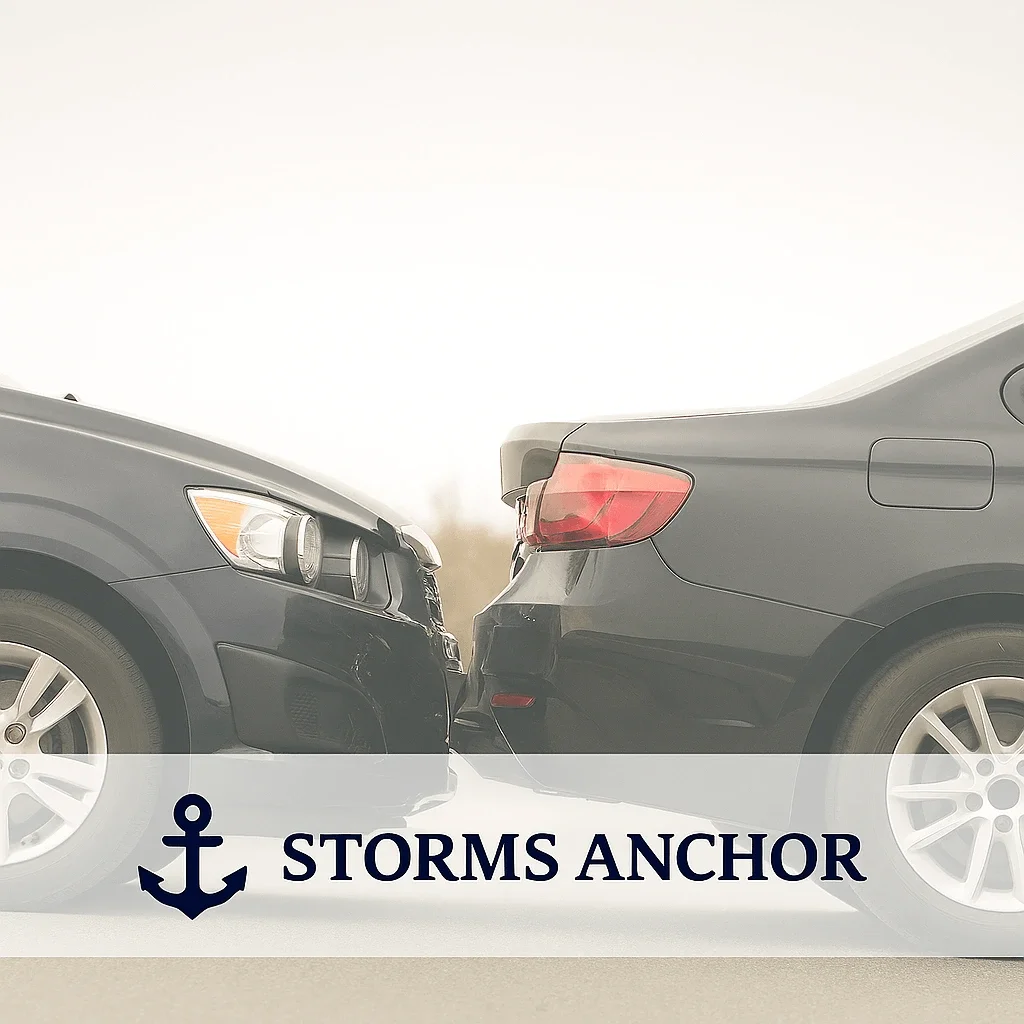
What Auto Insurance Is Designed to Do
Auto insurance is a contract designed to transfer specific financial risks from a driver to an insurance carrier. Coverage applies when fault is established, liability limits apply, and policy conditions respond to how an accident occurred. It is not a guarantee of payment and does not cover every collision or loss scenario.
Core purposes include:
Paying for bodily injury or property damage caused to others when the driver is at fault
Covering damage to the insured vehicle under defined collision or non‑collision conditions
Providing limited protection against uninsured or underinsured drivers when fault lies elsewhere
Satisfying state financial responsibility requirements tied to vehicle operation
Coverage outcomes depend on:
Liability limits and fault determination
Policy definitions and exclusions
Driver eligibility and vehicle usage classifications
Claim circumstances and accident conditions
Auto insurance is tested during accidents, injuries, lawsuits, and vehicle losses—not at the time of purchase. Coverage differences often become visible only after fault and liability are applied under real‑world conditions, which is why Storms Anchor Insurance structures auto coverage around claim behavior rather than price comparison.
Auto insurance outcomes depend on how fault is assigned, how liability limits apply, and how coverage sequencing responds across involved parties. When these elements are selected based on price or minimum requirements rather than realistic accident scenarios, serious claims often expose gaps that were never discussed before a loss occurs.
Auto insurance is designed to transfer specific financial risks from a driver to an insurance carrier, but coverage only applies when policy terms align with how the accident occurred and who is legally responsible. It is not a guarantee of payment and does not cover every collision or situation.
Understanding how auto insurance responds during real claims allows coverage decisions to be made with clarity about fault, liability exposure, and claim outcomes rather than assumptions.
Auto insurance coverage is also shaped by state and local laws that affect liability requirements, fault standards, and claim handling. Review auto insurance coverage by location to understand how coverage rules and claim outcomes can vary depending on where a vehicle is registered.
Auto Insurance Built for Real‑World Claims
Auto insurance reveals its true value only after responsibility is assigned and financial consequences begin to unfold. Until fault, liability limits, and claim conditions are tested by a real accident, coverage decisions exist largely in theory.
Auto insurance is easy to buy and difficult to evaluate until an accident forces responsibility into focus. Only then do liability limits, exclusions, and claim conditions define what protection truly exists.
Why Auto Insurance Claims Fail Under Real Conditions
Auto insurance claim outcomes are determined by structural mechanisms, not intent or expectations. Most claim denials or reductions occur when one or more of the following failure points are triggered:
Fault determination failure, where legal responsibility is disputed or assigned differently than anticipated
Liability limit exhaustion, when damages exceed the financial limits selected at purchase
Exclusion activation, when policy language removes coverage based on driver status, vehicle use, or loss type
Condition non‑compliance, including reporting requirements, eligibility rules, or policy binding issues
Documentation or timing failure, where required information is missing or deadlines are not met
These failures are predictable and structural. They occur when coverage decisions are made without evaluating how policies respond under real accident and liability conditions.
Core Auto Insurance Coverages Explained
Auto insurance coverage failures are predictable and occur when fault determination, liability limits, and coverage sequencing were selected without evaluating how policies respond once legal responsibility is assigned and claim conditions are enforced after a real accident.
Liability Coverage
Most auto insurance failures involving liability coverage occur when limits are selected based on minimum requirements or price rather than the severity of injuries, property damage, and legal judgments that follow at‑fault accidents.
Collision Coverage
Collision coverage issues arise when deductibles, exclusions, or vehicle valuation methods do not reflect how damage is assessed and settled after an accident.
Comprehensive Coverage
Comprehensive coverage gaps occur when exclusions, limits, or claim conditions apply to non‑collision losses such astheft, weather, or vandalism. Coverage applies only when policy definitions align with how the loss occurred.
Uninsured / Underinsured Motorist
Uninsured and underinsured motorist coverage failures typically surface after serious injuries, when fault lies with a driver whose insurance cannot fully compensate the loss.
Medical Payments / Personal Injury Protection
Medical payments and personal injury protection coverage can fall short when benefit limits, coordination rules, or state‑specific restrictions do not align with the medical costs that follow an accident.
Why State Minimum Auto Insurance Limits Often Fall Short
State minimum auto insurance limits are designed to satisfy legal requirements, not to absorb the medical costs, legal judgments, and property damage that follow serious accidents. These limits establish financial responsibility, not financial protection.
Minimum limits may be sufficient for minor incidents, but frequent loss events involving injuries or multiple vehicles can quickly exceed statutory thresholds. When liability exposure surpasses policy limits, drivers remain personally responsible for the remaining damages, regardless of fault or intent.
Understanding the difference between legal compliance and real‑world liability exposure is critical when evaluating auto insurance coverage.
BY STATE MINIMUM LIMITS: OKLAHOMA, TEXAS, MISSOURI, COLORADO
How Auto Insurance Coverage Responds During Real Claims
Auto insurance coverage should be evaluated based on how policies respond during real claim scenarios, not how they appear at purchase.
Coverage reviewed against actual accident and liability scenarios
Limits evaluated based on exposure, not minimum requirements
Clear explanation of exclusions and endorsements that affect claim outcomes
Multi‑carrier comparison without lead‑form pressure
Documentation designed to withstand claim review and liability scrutiny
The goal is informed decision‑making, not rushed enrollment.
How Auto Insurance Coverage Is Applied During a Real Claim
-
1. Loss Occurs
A collision, injury, or vehicle damage event creates a potential insurance claim. -
2. Fault Is Investigated
Legal responsibility is evaluated based on facts, statements, and applicable traffic laws. -
3. Liability Coverage Is Triggered
If fault is assigned, liability coverage applies to bodily injury or property damage caused to others. -
4. Policy Definitions and Conditions Are Enforced
Coverage applies only if driver eligibility, vehicle use, exclusions, and reporting requirements are satisfied. -
5. Liability Limits Are Applied
Payments are capped at the financial limits selected, regardless of total damages or severity. -
6. First‑Party Coverages Respond If Applicable
Collision, comprehensive, medical payments, or uninsured motorist coverage may apply based on loss type and fault. -
7. Remaining Financial Responsibility Is Determined
Any damages exceeding coverage limits or excluded by policy terms remain the driver’s responsibility.
Why Auto Insurance Claims Are Commonly Denied or Reduced
Auto insurance claims are most often denied or reduced when fault, liability limits, or policy conditions evaluated at purchase do not align with how real accidents and claims unfold.
Common failure points include:
Liability limits that are insufficient for injuries, property damage, or legal judgments
Excluded or undisclosed drivers, including household members
Vehicle use outside policy definitions, such as business or delivery activity
Lapsed or improperly bound policies at the time of loss
Misunderstood deductibles or endorsements that affect settlement
Understanding these factors before an accident occurs reduces uncertainty when coverage is tested by a real claim.
After coverage is triggered and policy conditions are applied, claim outcomes depend on how accurately the loss is documented and reported.
Post‑Accident Documentation & Reporting Overview
What Insurers Commonly Need After an Accident — and Why
After an auto accident, insurance companies evaluate claims based on documented facts, not assumptions or intent. The information collected helps determine what happened, who may be responsible, and how coverage applies under the policy.
Insurers typically look for information that answers five core questions:
What occurred Basic details about the accident help establish the nature of the loss and whether coverage may apply.
Who was involved Identifying drivers, vehicles, and occupants allows insurers to evaluate responsibility and policy eligibility.
Where and when it happened Location and timing help confirm jurisdiction, policy status, and applicable conditions.
What damage or injuries resulted Documented damage and injuries support valuation and coverage determination.
How the event was reported Timely and consistent reporting helps insurers verify facts and apply policy conditions.
This information is used to reconstruct the loss, not to assign blame at the scene or guarantee payment.
Information Categories Used in Claim Evaluation
The following categories reflect how insurers typically organize and review post‑accident information during claim adjudication.
1. Incident Identification Data
Used to establish that a covered loss may have occurred.
Date and time of the accident
General location of the event
Type of loss (collision, non‑collision, injury, property damage)
2. Party and Vehicle Identification
Used to evaluate policy applicability and responsibility.
Drivers involved
Vehicles involved
Relationship of drivers to the policyholder
Vehicle ownership and usage classification
3. Physical Damage and Injury Documentation
Used to assess severity, causation, and valuation.
Visible vehicle damage
Property damage beyond vehicles
Reported injuries or medical treatment indicators
Documentation supports what is observable, not conclusions about fault or coverage.
4. Loss Circumstances and Sequence
Used to understand how the event unfolded.
Direction of travel
Points of impact
Environmental or roadway conditions
Statements describing the sequence of events
This information helps insurers evaluate fault determination and coverage triggers.
5. Third‑Party and Official Records
Used to corroborate reported facts.
Law enforcement involvement, if any
Witness identification, if available
Towing or emergency response records
These records supplement, but do not replace, policy terms.
6. Reporting and Timing Information
Used to apply policy conditions.
When the loss was reported
How the loss was reported
Consistency between initial and subsequent information
Policy conditions often require timely notice and accurate reporting.
Important Boundary Clarification
What This Overview Does Not Do
This section is designed to explain how claims are evaluated, not to instruct behavior or predict outcomes.
It does not:
Provide legal advice
Guarantee claim approval or payment
Replace carrier‑specific reporting requirements
Interpret policy language for a specific loss
Coverage outcomes depend on policy terms, documented facts, and claim conditions, not on any single piece of information.
Why This Matters
Auto insurance claims are resolved through documentation, sequencing, and policy application. Understanding the types of information insurers rely on helps clarify why claims succeed, fail, or are limited after an accident occurs.
This overview exists to explain how the system works, not how to navigate it tactically.
How Auto Insurance Is Tested in Real Accidents
| What Happens | Coverage Involved | Where Problems Often Appear |
|---|---|---|
| You cause an accident and someone is injured | Liability Coverage | Limits too low for medical bills or lawsuits |
| Multiple vehicles are involved | Liability and Collision Coverage | Disputes over who is at fault |
| Your car is damaged by another driver | Liability Coverage | Excluded or undisclosed drivers |
| The other driver leaves the scene | Uninsured Motorist Coverage | Reporting rules or coverage exclusions |
| You are hit by an uninsured driver | Uninsured Motorist Coverage | Limits too low to cover injuries |
| Your car is stolen | Comprehensive Coverage | Deductibles or excluded loss types |
| Your car is vandalized | Comprehensive Coverage | Claim conditions or exclusions |
| Hail or storm damages your vehicle | Comprehensive Coverage | Misunderstood exclusions |
| You crash into a fixed object | Collision Coverage | High deductibles or valuation disputes |
| A household member causes an accident | Liability Coverage | Driver eligibility exclusions |
| You are injured while riding in your own car | Medical Payments or PIP | Benefit limits or coordination rules |
| You are injured while riding with someone else | Medical Payments or PIP | Coverage order confusion |
| Your car is damaged while parked | Comprehensive Coverage | Deductible impact |
| You are driving for delivery or rideshare | Policy Definitions | Vehicle use outside policy terms |
| An accident happens during a policy lapse | No Coverage Applies | Policy not in force at time of loss |
Common Auto Insurance Coverage Triggers and Failure Points
Auto insurance decisions affect financial outcomes long after a policy is purchased. Understanding how coverage responds when accidents occur, fault is assigned, and liability is applied is the most effective way to reduce uncertainty before a claim tests the policy.
Storms Anchor Insurance provides claims‑aware coverage guidance designed to help insurance decisions be made with clarity about real‑world outcomes, not assumptions formed at purchase.
This page is designed as a reference‑grade explanation of how auto insurance coverage responds during real claims, independent of carrier, pricing, or promotional considerations.
Nothing on this page alters policy language, overrides carrier determinations, or predicts claim outcomes.
This page serves as a structural reference for how auto insurance coverage is evaluated under real claim conditions.

Disclaimer: This page is for educational purposes only and does not determine legal liability, coverage outcomes, claim results, or carrier pricing. Insurance policies are governed solely by the written contract issued by the carrier. All coverage decisions, underwriting actions, premium calculations, and claim determinations are made exclusively by licensed insurance carriers using their own proprietary models and state‑approved guidelines. Policy terms, exclusions, deductibles, conditions, and interpretations vary by carrier, state, and individual risk profile. Nothing on this page modifies, replaces, or supersedes any insurance contract or legally binding document. For specific guidance, refer to your active policy or consult a licensed insurance professional.
© Storms Anchor Insurance. All rights reserved.
Privacy Policy |
Terms of Use |
Licensing & Disclosures