Business Insurance That Holds Up When It Matters
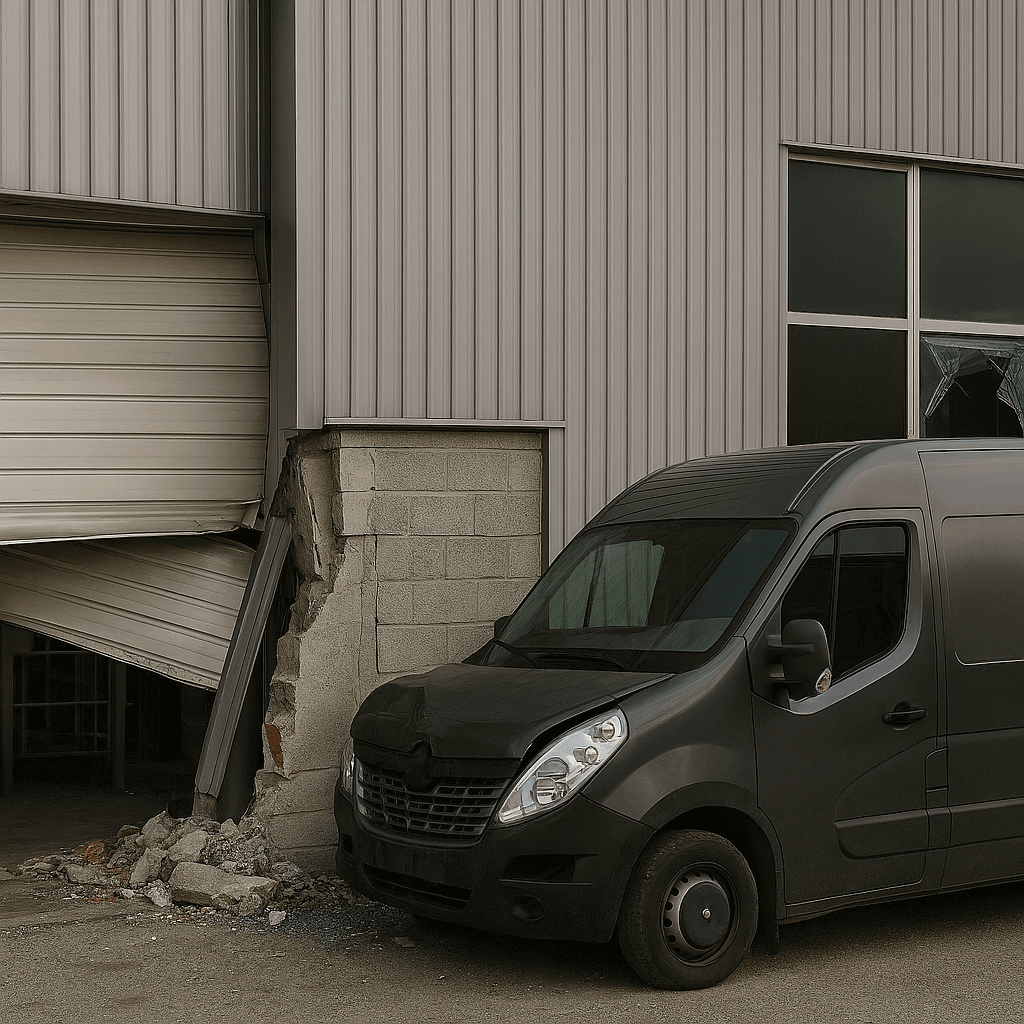
Business insurance often fails not because coverage is missing, but because policies were structured around price instead of real‑world operational risks. Serious claims expose gaps in liability limits, exclusions, and policy design that are rarely understood until after a loss occurs.
Business Insurance Built for Real‑World Claims
Business insurance coverage is tested during lawsuits, property losses, employee injuries, and operational disruptions — not at the time of purchase. Policies that appear similar on paper can respond very differently when claims are evaluated under real‑world conditions.
Coverage performance depends on how policies are structured, including liability limits, exclusions, definitions, endorsements, and settlement terms. When these elements are selected based on price or minimum requirements rather than realistic business exposures, serious claims often expose gaps that were never discussed at purchase - a claims first approach emphasized by Storms Anchor Insurance structures business coverage around real world loss.
Business insurance is designed to transfer specific financial risks from a business to an insurance carrier, but coverage only applies when policy terms align precisely with the loss. It is not a guarantee of payment and does not cover every operational scenario.
Understanding how business insurance performs during real claims allows coverage decisions to be made with clarity rather than assumptions.
What Business Insurance Is Designed to Do
Business insurance is a contractual risk‑transfer mechanism designed to protect businesses from specific financial losses when defined conditions are met.
Core purposes include:
Paying for bodily injury or property damage claims
Covering business property losses under defined conditions
Providing protection against lawsuits and legal defense costs
Meeting contractual and regulatory insurance requirements
Coverage outcomes depend on:
Policy limits
Definitions and exclusions
Business operations and classifications
Employee roles and activities
Claim circumstances
Core Business Insurance Coverages Explained
General Liability Failures occur when limits or exclusions do not align with real operational exposure.
Commercial Property Failures occur when valuation methods, exclusions, or coverage triggers are misunderstood.
Workers’ Compensation Failures surface when classifications, payroll reporting, or job duties are misaligned.
Professional / Errors & Omissions Failures occur when services rendered exceed policy definitions.
Commercial Auto Failures occur when vehicle use or driver eligibility is misclassified.
Why Business Insurance Claims Are Commonly Denied or Reduced
Claims are most often denied or reduced when coverage assumptions made at purchase do not align with real‑world claim conditions, including:
Insufficient limits
Excluded operations or services
Misclassified employees or payroll
Undisclosed business activities
Lapsed or improperly bound policies
Understanding these factors before purchasing coverage reduces surprises later.