Why Insurance Claims Are Denied?
A Clear, Honest Explanation From an Independent Insurance Broker
Insurance claims are most often denied because of policy exclusions, insufficient coverage limits, missed deadlines, or misunderstandings about what a policy actually covers. Many denials occur even when premiums are paid on time and policies are active.
Why This Question Matters
Insurance exists to provide financial protection when unexpected events occur. Yet every year, millions of policyholder’s experience frustration, confusion, and financial stress after learning their insurance claim has been denied or only partially paid.
Storms Anchor Insurance reviews denied and disputed claims across homeowners, auto, renters, and business insurance policies nationwide. While every claim is fact‑specific and governed by state‑regulated policy language, the underlying reasons for denial follow consistent, repeatable patterns.
“Most insurance policies exclude certain types of damage, even when the loss feels unexpected or severe.”
The Most Common Reasons Insurance Claims Are Denied
Policy Exclusions
Insurance policies are contracts. They define both what is covered and what is excluded. Exclusions apply regardless of intent, severity, or financial hardship.
Common exclusions across many policies include:
Flood damage under standard homeowners insurance
Wear and tear, deterioration, or deferred maintenance
Earth movement (earthquakes, landslides, soil shifting)
Certain water losses depending on source and duration
Cosmetic roof damage that does not impair function
Many policyholders assume coverage exists because the event feels accidental or weather‑related. Insurers rely on written policy language, definitions, and exclusions — not assumptions or expectations. Many claim denials occur not because coverage never existed, but because coverage limits have been reached and the insurer’s obligation has ended.
Insufficient Coverage Limits
Coverage limits cap how much an insurer will pay, even when a claim is otherwise valid. Common limit‑related shortfalls include:
State‑minimum auto liability limits that do not cover injuries or lawsuits
Home replacement values that have not kept pace with construction costs
Business liability or property limits that underestimate operational risk
This issue frequently appears after:
Serious auto accidents involving bodily injury
Total home losses caused by fire
Lawsuits exceeding liability limits
A claim may be approved but still leave the policyholder financially exposed.
“Claims are often denied or partially paid because coverage limits were too low for the actual loss.”
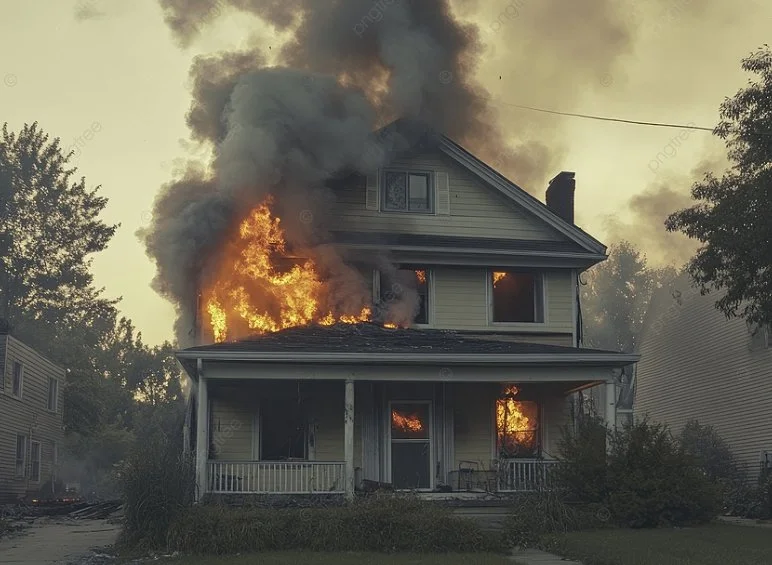
Misrepresentation or Inaccurate Information
Claims may be denied if insurers determine that material information was inaccurate or omitted, including:
Incorrect property details
Misclassified business operations
Undisclosed drivers or occupants
Incomplete risk disclosures
Even unintentional errors can affect claim outcomes if they materially impact underwriting or risk evaluation.
Missed Deadlines or Late Reporting
Insurance policies require claims to be reported within reasonable or specified timeframes. Delayed reporting can:
Complicate investigations
Reduce available evidence
Trigger late‑notice denial provisions
Late reporting is one of the most preventable causes of claim denial. Even when coverage exists, failure to notify the insurer promptly can jeopardize payment.
“Claims often fail because required documentation is missing, incomplete, or inconsistent.”
Documentation Issues
Insurers typically require:
Photos or videos of damage
Repair estimates or invoices
Receipts or proof of ownership
Timely responses to information requests
Incomplete or inconsistent documentation can delay, reduce, or derail otherwise valid claims.
Five Real‑World Claim Denial Scenarios We See Repeatedly
The Roof Claim After a Hailstorm
A homeowner files a claim after a hailstorm. The insurer denies coverage due to roof age and a cosmetic damage exclusion.
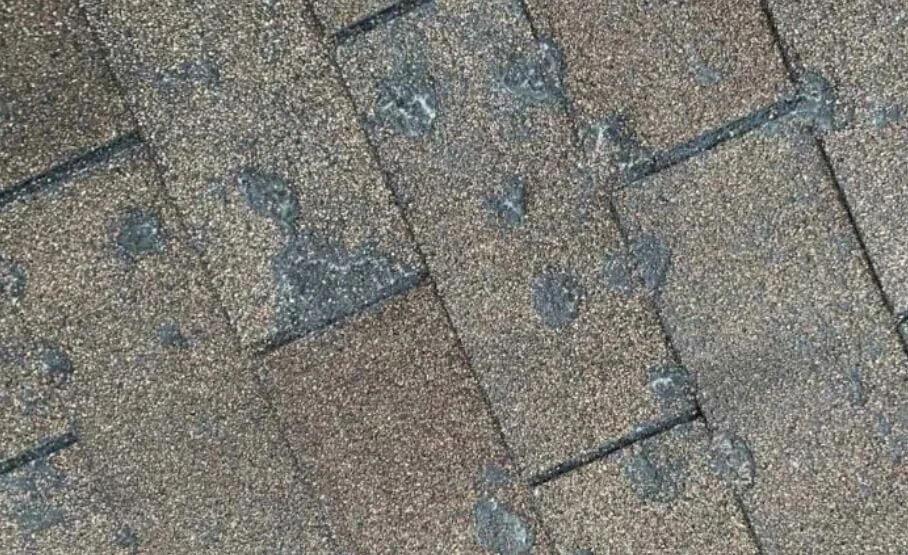
Lesson: Roof age, exclusions, and deductible structure matter before storms occur.
The Auto Accident With Minimum Coverage
A driver carries state‑minimum liability limits. After a multi‑vehicle accident with injuries, the policy pays out quickly — but medical bills and lawsuits continue.

Lesson: Legal minimums rarely equal adequate protection.
The Flooded Home That Wasn’t “Flooded”
Water enters a home after heavy rain. The claim is denied because the damage meets the policy’s contractual definition of flood — which typically includes surface water and requires separate flood insurance coverage.
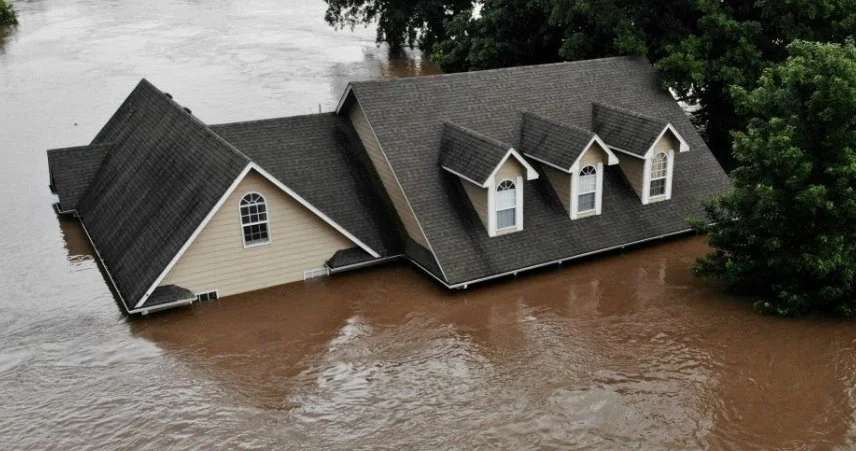
Lesson: Policy definitions matter more than common language.
The Renters Insurance Gap
A tenant loses belongings in a fire. The landlord’s insurance covers the building, not the tenant’s property.
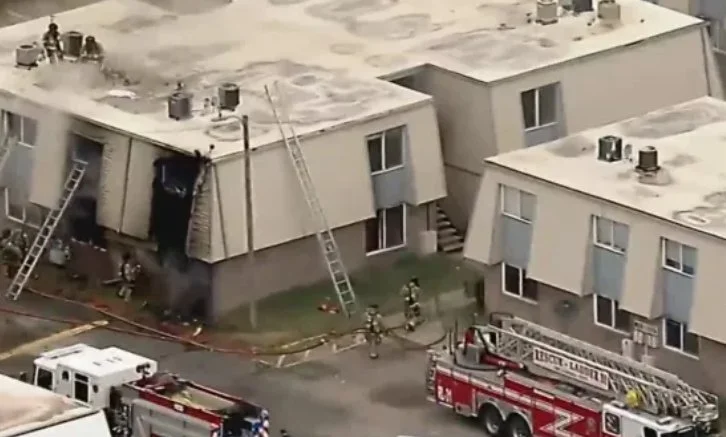
Lesson: Landlord insurance does not protect tenants.
What Insurance Regulations Say About Claim Denials
Insurance is regulated at the state level. While laws vary by jurisdiction, most states require insurers to:
Provide written explanations for claim denials
Follow defined claim handling timelines
Act in good faith during investigations
Regulations do not require insurers to pay claims outside policy terms. Coverage determinations are governed by the contract language approved by state insurance departments.
How to Reduce the Risk of a Denied Claim
Reviewing policies annually
Confirming coverage limits reflect current risk
Understanding exclusions and deductibles
Reporting claims promptly
Keeping documentation organized
Preparation reduces surprises.
“The best way to prevent claim denials is to understand coverage before a loss occurs.”
Insurance claims are denied not because insurance “doesn’t work,” but because coverage was misunderstood, incomplete, or misaligned with real‑world risk.
Why Independent Insurance Guidance Matters
As an independent broker, Storms Anchor:
Reviews policy wording across multiple carriers
Identifies common coverage gaps
Explains claim‑critical details before losses occur
Provides education without carrier bias
Independent guidance helps align coverage with real‑world risk.
“Many insurance platforms focus on price. Storms Anchor Insurance focuses on claim performance.”
When to Seek Professional Help
If a claim is denied:
Request a written explanation
Review the policy language
Ask clarifying questions
Seek independent guidance
Understanding why a claim failed can prevent future losses.
Education, preparation, and independent advice make the difference.
Storms Anchor Insurance helps families and businesses understand why insurance claims fail and how to avoid coverage gaps before a loss happens.
Review Your Coverage Before a Claim Is Denied
Not sure if your insurance would actually pay a claim? Storms Anchor Insurance offers coverage reviews to help identify gaps that commonly lead to denied claims — before a loss happens.
Speak with an independent insurance broker to review your current policies and understand how they would respond in real‑world scenarios.
Call 1‑918‑816‑9927