Auto Insurance Coverage Limits Explained
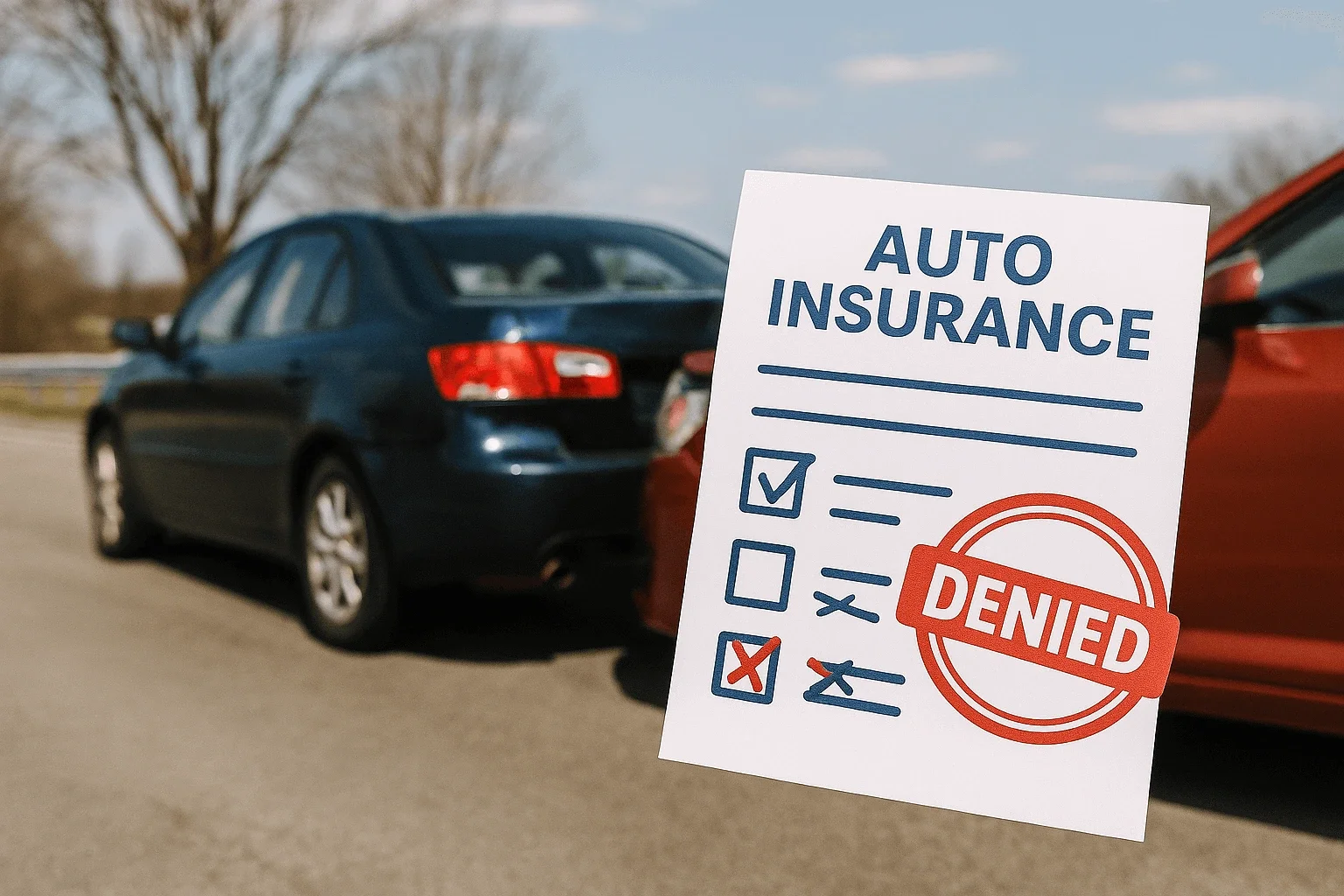
Coverage limits define the maximum financial responsibility an insurer assumes for a covered loss. Once a limit is reached, the insurer’s obligation endsregardless of fault, severity, or outcome.
Core Definitions
Coverage Limit
The maximum dollar amount an insurer will pay under a specific coverage for a single claim, occurrence, or policy period.
Per‑Person Limit
The maximum payable for bodily injury to one individual in a single accident.
Per‑Accident Limit
The maximum payable for all bodily injuries combined in a single accident.
Per‑Occurrence Limit
The maximum payable for property damage or liability arising from one event.
Coverage Exhaustion
The point at which a coverage limit is fully paid, terminating the insurer’s duty to indemnify under that coverage.
Coverage Exhaustion Cascade (Critical Concept)
When policy limits are exhausted:
The insurer’s obligation to pay indemnity ends
Defense obligations may cease, depending on policy terms
Claimants may pursue the insured’s personal assets
Judgments can survive policy exhaustion and termination
“Insurance does not fail suddenly — it fails precisely at the limit defined in the contract.”
How limits are consumed in an accident
This example uses a common liability format: 100 / 300 Bodily Injury (BI).
Accident scenario (realistic numbers):
- Claimant A: Hospital + PT + follow-ups = $180,000 in documented BI damages
- Claimant B: ER + imaging + missed work = $70,000 in BI damages
- Claimant C: Urgent care + chiropractic + meds = $60,000 in BI damages
| Claimant | Documented damages | Paid by BI liability | Unpaid exposure |
|---|---|---|---|
| A | $180,000 | $100,000 | $80,000 |
| B | $70,000 | $70,000 | $0 |
| C | $60,000 | $60,000 | $0 |
| Total | $310,000 | $230,000 | $80,000 |
What this demonstrates: Even though the per‑accident limit ($300,000) has remaining capacity, the per‑person limit ($100,000) caps Claimant A’s payment at $100,000. The remaining $80,000 becomes potential personal exposure unless paid by other sources.
Paid: $230,000 Remaining: $70,000
| Paid component | Amount | Share of $300k |
|---|---|---|
| Claimant A (capped by per-person) | $100,000 | 33.33% |
| Claimant B | $70,000 | 23.33% |
| Claimant C | $60,000 | 20.00% |
| Total paid | $230,000 | 76.67% |
Notes: This illustration isolates BI liability only. Other coverages (PIP/MedPay, UMBI/UIMBI, umbrella, or claimant health insurance) may change who ultimately pays, but they do not change the liability limit itself.
These figures are simplified examples used to illustrate how policy limits are applied. Actual claim outcomes depend on policy language, state law, and claim circumstances.
Why Coverage Outcomes Differ After Accidents
Auto insurance coverage responds based on how the loss occurred, not simply that damage exists.
Coverage outcomes depend on:
Fault determination
Policy limits and deductibles
Vehicle use at the time of loss
Driver eligibility under the policy
Applicable exclusions and conditions
Even when accidents appear similar, coverage may apply differently based on these structural factors.
For example:
A collision involving a listed driver may be covered, while the same collision involving an excluded driver may be denied.
Damage caused during personal use may be covered, while identical damage during unauthorized commercial use may fall outside coverage.
Because coverage is applied through this structured evaluation, similar accidents can produce different claim results — even when the damage appears comparable.
“Insurance does not respond to damage alone — it responds to the documented structure of the loss.”
Auto Insurance Coverage Exposure Calculator
This calculator illustrates how different auto insurance coverages respond to losses and how policy limits affect potential financial exposure. It does not estimate premiums or recommend coverage.