Business Owners Policy Coverage That Holds Up When It Matters
Business Owners Policies often fail not because coverage is missing, but because property, liability, and income protection were packaged without understanding how losses unfold during real claims. Serious events expose gaps between coverages, limits, exclusions, and policy conditions that are rarely examined until operations are disrupted.
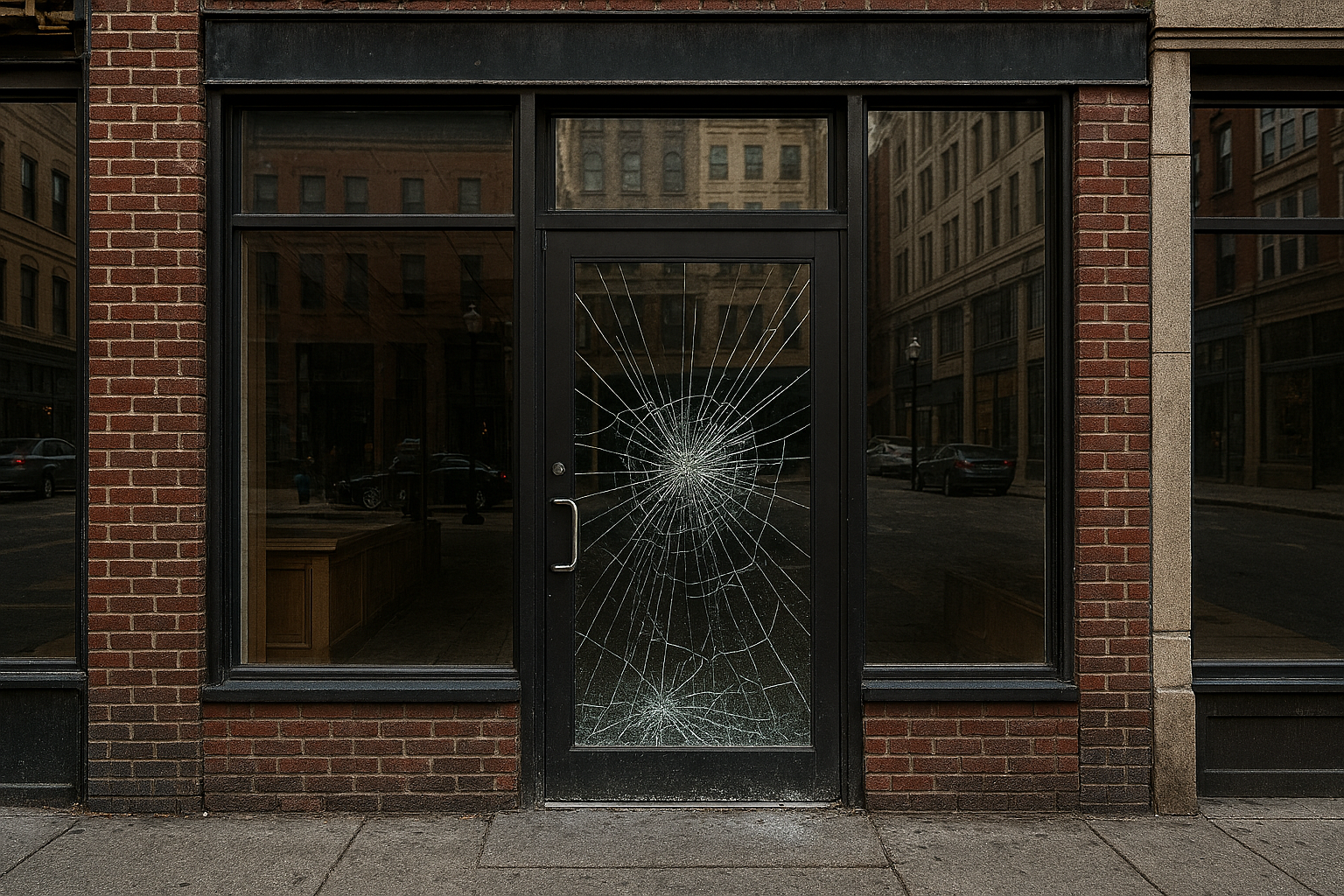
Business Owners Policy Coverage Built for Real‑World Claims
A Business Owners Policy consolidates property and liability coverage into a single contract, but real‑world performance depends on how those coverages interact under loss conditions — not how they are packaged at purchase.
During property damage, lawsuits, or operational shutdowns, bundled policies that appear identical on paper can respond very differently. Limits, exclusions, eligibility thresholds, and form restrictions determine whether coverage applies, overlaps, or stops entirely.
A Business Owners Policy is designed to transfer defined categories of business risk, but bundled coverage introduces structural tradeoffs. Simplification can reduce cost and administration while simultaneously narrowing how losses are evaluated and paid.
Understanding how a Business Owners Policy behaves when multiple coverages are triggered by a single event allows coverage decisions to be made with precision rather than assumption.
“A Business Owners Policy is not defined by what it includes, but by how it responds when multiple coverages are triggered by a single loss.”
“Bundled insurance does not eliminate risk — it defines which losses are transferred, and where responsibility remains.”
What a Business Owners Policy Is Designed to Do
A Business Owners Policy is a contractual risk‑transfer mechanism designed to bundle property and liability protection into a single policy framework. Its purpose is not to eliminate business risk, but to define which losses are transferred to an insurance carrier — and under what conditions that transfer applies.
A Business Owners Policy responds only within the boundaries defined by its policy form, endorsements, and conditions. Coverage does not expand based on intent, expectation, or prior experience. Claim outcomes are determined by how the loss aligns with policy structure at the time of occurrence.
A Business Owners Policy is designed to:
Respond to physical damage to business property caused by covered events
Pay for bodily injury or property damage claims arising from defined business operations
Provide legal defense and settlement protection when lawsuits fall within policy terms
Satisfy contractual and regulatory insurance requirements tied to leases, vendors, and licensing
Coverage outcomes are not determined by the presence of a policy alone. They depend on how the policy is structured, including:
Policy limits, which cap how much risk is transferred
Definitions and exclusions, which determine whether a loss qualifies
Business operations and classifications, which control eligibility and scope
Property valuation methods, which affect how losses are calculated and paid
Claim circumstances, which ultimately govern how coverage is applied
A Business Owners Policy functions as a framework for risk transfer, not a blanket guarantee of protection. Understanding what it is designed to do — and where its boundaries are drawn — is essential to evaluating how it will perform when a real claim occurs.
How Business Owners Policy Coverages Interact During Claims
A Business Owners Policy bundles multiple coverages into a single contract, but each coverage responds independently when a claim occurs.
Commercial Property Coverage Claim failures occur when valuation methods, coverage limits, or exclusions do not reflect the actual property exposure.
General Liability Coverage Failures surface when liability limits are insufficient for the severity of the loss or when operations fall outside policy definitions.
Business Income Coverage Disputes arise when coverage triggers, waiting periods, or income calculations are misunderstood or assumed.
Optional Endorsements Failures occur when endorsements are assumed to apply automatically or when exclusions override expectations.
A Business Owners Policy governs how insured losses are evaluated and paid. It does not control how losses occur, how businesses operate, or how risk evolves over time.
Why Business Owners Policy Claims Are Commonly Denied or Reduced
Business Owners Policy claims are most often denied or reduced when coverage assumptions made at purchase do not align with real‑world business operations and claim conditions.
Bundled coverage can create the appearance of broad protection, but claim outcomes are governed by specific policy mechanics, not packaging. Common structural failure points include:
Insufficient property or liability limits relative to the loss
Excluded operations or services not contemplated by the policy form
Misunderstood valuation methods that reduce claim payments
Inadequate business interruption coverage due to trigger or calculation limits
Lapsed or improperly bound policies that invalidate coverage entirely
A Business Owners Policy does not fail randomly. Coverage stops where policy structure, definitions, and conditions no longer align with the loss.
Coverage Decisions and Long‑Term Risk
Business insurance decisions shape financial outcomes long after a policy is purchased. Bundled coverage simplifies administration, but it also concentrates risk into a single policy structure that must perform under real loss conditions.
Storms Anchor Insurance provides claims‑aware coverage guidance so Business Owners Policy decisions are made with clarity about structure, coverage interaction, and how protection actually responds during claims — not assumptions formed at purchase.
Business Owners Policy Coverage Interaction Framework
| Loss Scenario | Primary Coverage Interaction | Common Failure Point |
|---|---|---|
| Fire damages business property | Property and Business Income | Income limits insufficient for downtime |
| Customer injury on premises | General Liability | Limits exhausted by medical severity |
| Water damage shuts down operations | Property and Business Income | Waiting periods or excluded causes |
| Equipment theft impacts revenue | Property Coverage | Valuation disputes or sublimits |
| Slip‑and‑fall during business hours | Liability and Medical Payments | Coverage coordination gaps |
| Storm damage halts operations | Property and Business Income | Exclusions or delayed income triggers |
| Third‑party property damage | General Liability | Policy limits misaligned with exposure |
| Temporary closure after covered loss | Business Income Coverage | Restoration period misunderstandings |