Commercial Auto Insurance That Holds Up When It Matters
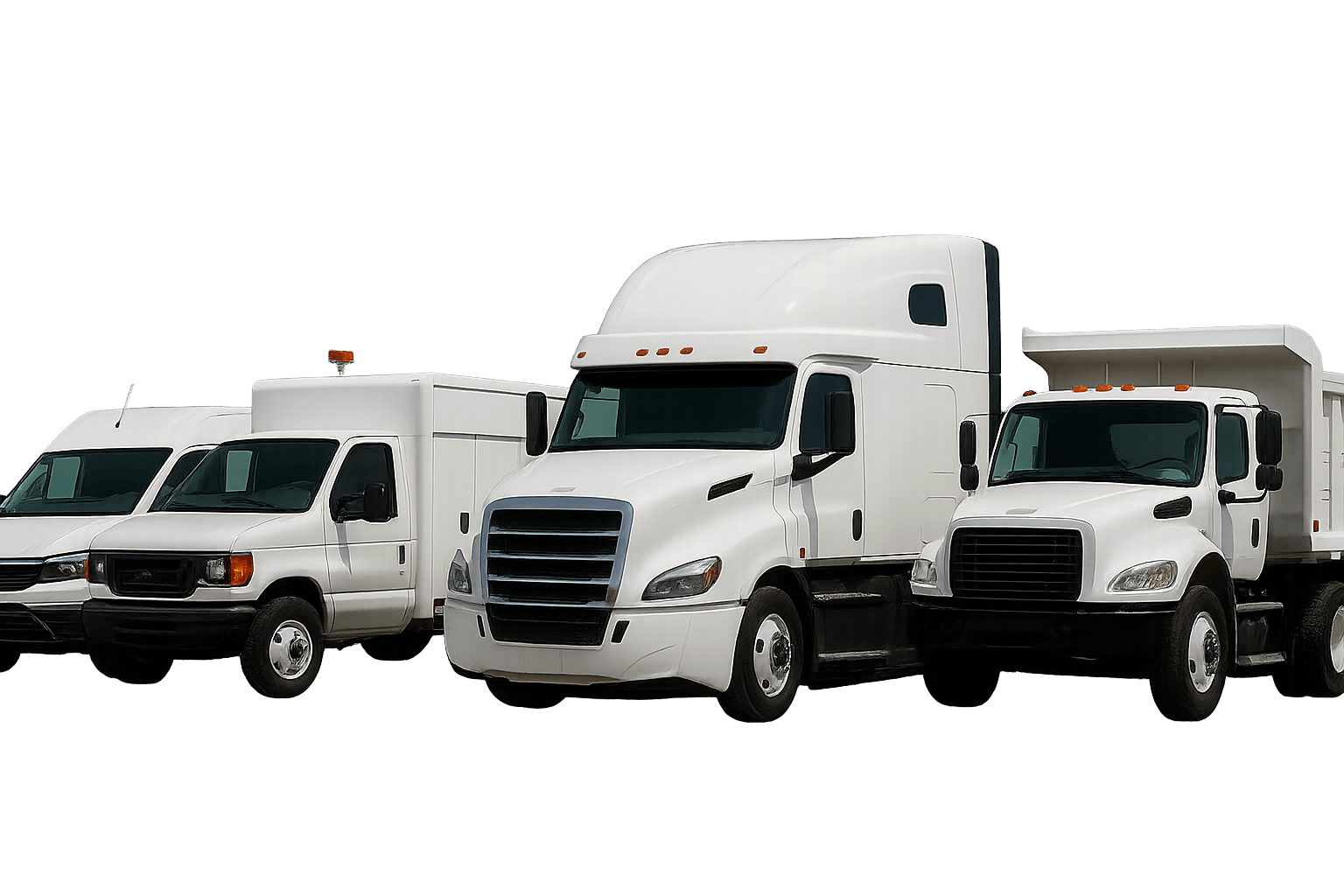
Commercial auto insurance often fails not because coverage is missing, but because policies were structured around price instead of real‑world vehicle use and liability exposure. Serious claims expose gaps in limits, exclusions, driver eligibility, and policy design that are rarely understood until after a loss occurs.
Commercial Auto Insurance Built for Real‑World Claims
Commercial auto insurance coverage is tested during accidents, injuries, lawsuits, and vehicle losses — not at the time of purchase. Policies that appear similar on paper can respond very differently when claims are evaluated under real‑world driving conditions.
Coverage performance depends on how policies are structured, including liability limits, driver eligibility, vehicle classifications, exclusions, and endorsements. When these elements are selected based on price or minimum requirements rather than actual business vehicle use, serious claims often expose gaps that were never discussed at purchase. This claims‑first framework reflects how Storms Anchor Insurance valuates commercial auto coverage — based on real‑world vehicle use, driver exposure, and loss severity rather than surface comparisons or minimum requirements.
Commercial auto insurance is designed to transfer specific vehicle‑related financial risks from a business to an insurance carrier, but coverage only applies when policy terms align precisely with the loss. It is not a guarantee of payment and does not cover every driving scenario.
Understanding how commercial auto insurance performs during real claims allows coverage decisions to be made with clarity rather than assumptions.
What Commercial Auto Insurance Is Designed to Do
Commercial auto insurance is a contractual risk‑transfer mechanism designed to protect businesses from specific financial losses arising from vehicle ownership, operation, and use when defined conditions are met.
Core purposes include:
Paying for bodily injury or property damage claims caused by business vehicles
Covering physical damage to insured commercial vehicles under defined conditions
Providing protection against lawsuits and legal defense costs related to vehicle use
Meeting contractual and regulatory insurance requirements
Coverage outcomes depend on:
Policy limits
Definitions and exclusions
Vehicle classifications and usage
Driver eligibility and records
Claim circumstances
Core Commercial Auto Insurance Coverages Explained
Commercial auto insurance is only effective when coverage structure matches real‑world vehicle use, driver exposure, and claim severity. Each coverage type plays a distinct role — and each has known failure points that surface during serious losses.
Liability Coverage
Pays for bodily injury or property damage caused by a covered driver operating a business vehicle. Failures occur when liability limits are too low for the severity of the accident, or when the driver involved was excluded, unlisted, or ineligible under the policy.
Physical Damage (Comprehensive & Collision)
Covers damage to insured commercial vehicles from collisions, theft, vandalism, fire, or other defined causes. Failures occur when valuation methods (ACV vs. replacement cost), deductibles, or exclusions (e.g. wear and tear, mechanical breakdown) are misunderstood or misapplied during claims.
Hired & Non‑Owned Auto
Provides liability protection when employees use personal or rented vehicles for business purposes. Failures surface when employee vehicle use is not disclosed, not endorsed, or falls outside policy definitions — especially during deliveries, errands, or off‑site work.
Why Commercial Auto Insurance Claims Are Commonly Denied or Reduced
Commercial auto insurance claims are most often denied or reduced when coverage assumptions made at purchase fail to align with real‑world vehicle use, driver exposure, and claim severity.
Common failure points include:
Liability limits that are insufficient for the loss
Excluded, undisclosed, or ineligible drivers
Vehicle use outside policy definitions
Improper vehicle classification
Lapsed or improperly bound policies
Understanding these structural risks before a claim occurs reduces uncertainty when coverage is tested.
Commercial Vehicle Claim Exposure Index
| Commercial Scenario | Primary Exposure Trigger | Common Failure Point |
|---|---|---|
| Employee rear‑end collision | Liability Coverage | Limits insufficient for injury severity |
| Accident involving non‑listed driver | Driver Eligibility | Excluded or undisclosed operators |
| Delivery or service vehicle use | Vehicle Use Definitions | Misclassified operations |
| Multi‑vehicle fleet accident | Aggregate Liability | Shared fault and limit exhaustion |
| Employee injury while driving | Employer Liability | Coverage coordination gaps |
| Vehicle damage during job use | Physical Damage Coverage | Deductibles or valuation disputes |
| Accident outside declared territory | Policy Conditions | Geographic exclusions |
| Hired or non‑owned vehicle use | HNOA Coverage | Missing endorsements |
Business insurance decisions affect financial outcomes long after a policy is purchased. Understanding how coverage works before a claim occurs is the most effective way to reduce risk.
Storms Anchor Insurance provides claims‑aware coverage guidance so commercial auto insurance decisions are made with clarity, not assumptions.