How Auto Insurance Claims Are Decided
Auto insurance claims are decided based on fault determination, policy definitions, coverage triggers, and documented loss conditions — not assumptions made at purchase or expectations formed after an accident.
Auto insurance does not operate on intent, fairness, or perceived responsibility. Claim outcomes are governed by policy language, statutory rules, and verifiable facts established during the claims process.
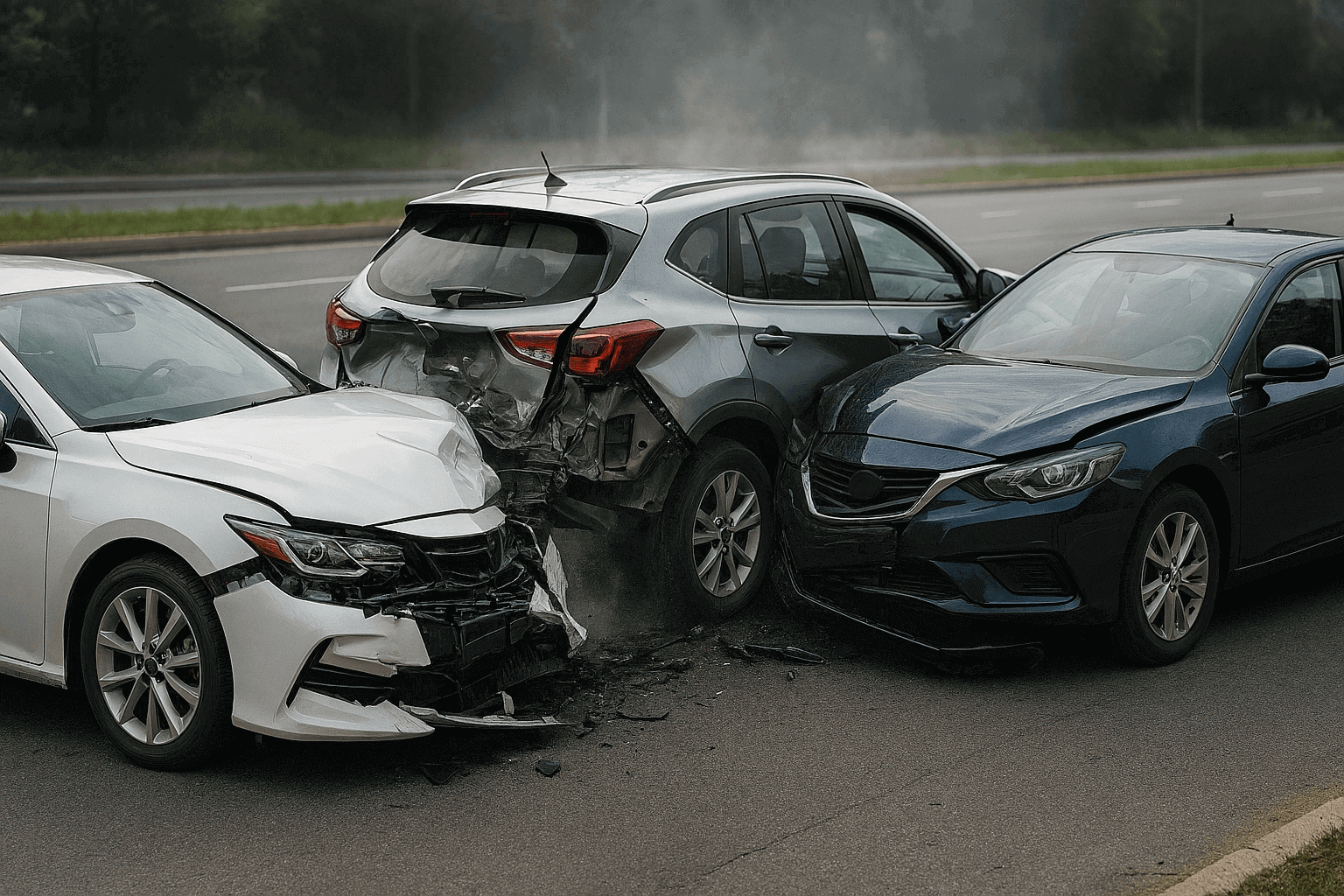
The Claim Determination Framework
Every auto insurance claim is evaluated through a structured determination process. Coverage applies only when loss conditions align with policy definitions and legal standards at the time of the accident.
Claim determination is not discretionary. It follows a defined sequence.
Fault and Liability Assessment
Fault determination establishes legal responsibility for the accident. This assessment controls which coverages respond and to what extent.
Fault is evaluated using:
Police reports and citations
Statements from involved parties and witnesses
Physical evidence and vehicle damage patterns
Applicable traffic laws and right‑of‑way rules
Disputed or shared fault directly affects claim outcomes, including settlement amounts and coverage availability.
Coverage Trigger Alignment
Coverage applies only when a loss triggers a specific coverage grant within the policy. Not all accidents activate all coverages.
Coverage evaluation considers:
Whether the loss qualifies as a covered event
Which coverage section applies (liability, collision, comprehensive, medical)
Whether exclusions or limitations interrupt coverage
Auto insurance coverage behavior is defined by policy structure, not by the severity of the accident.
Documentation and Evidence Review
Claims are decided based on documented facts, not verbal explanations. Evidence establishes causation, scope of damage, and eligibility for payment.
Documentation typically includes:
Photographs and repair estimates
Medical records and treatment notes
Vehicle inspections and appraisals
Recorded statements and timelines
Incomplete or conflicting documentation can delay, reduce, or prevent claim resolution.
Settlement Boundaries and Resolution
Claim settlements are limited by policy limits, coverage definitions, and verified damages. Payment does not exceed contractual or statutory boundaries.
Settlement outcomes depend on:
Confirmed liability
Covered damages
Policy limits and deductibles
Applicable exclusions or conditions
Auto insurance does not guarantee full reimbursement for every loss. It responds only within defined contractual limits.
Why Claim Outcomes Differ From Expectations
Most claim disputes arise when expectations do not align with policy definitions or fault determinations. Coverage does not expand based on hardship, urgency, or perceived fairness.
Understanding how auto insurance claims are decided requires evaluating coverage at the moment of loss — not at the moment of purchase.
Relationship to Auto Insurance Coverage
This claim determination process explains how coverage actually performs during real losses, which is the foundation of real‑world auto insurance performance.
For a complete explanation of coverage structure and behavior, see auto insurance coverage within the broader auto insurance framework.
How Coverage Is Actually Applied During Real‑World Accidents
| Claim Determination Factor | Governing Standard | How Claims Are Actually Decided |
|---|---|---|
| Accident Reconstruction | Physical evidence, statements, and traffic law | Vehicle damage patterns, scene evidence, and timelines establish how the accident occurred before coverage is evaluated. |
| Fault Allocation | Comparative or contributory negligence rules | Fault may be assigned to one or multiple drivers; shared fault directly affects liability payments and recovery rights. |
| Multi‑Vehicle Involvement | Chain‑reaction and proximate cause analysis | Each vehicle is evaluated separately; coverage applies based on each driver’s role in causing or contributing to the loss. |
| Primary vs Secondary Liability | Order of responsibility among involved parties | Primary at‑fault policies respond first; secondary or excess coverage applies only after primary limits are exhausted. |
| Coverage Trigger Verification | Policy definitions of covered loss | Coverage applies only when the accident meets the exact definition of a covered event under the policy in force. |
| Vehicle Use at Time of Loss | Declared use and policy conditions | Business, delivery, or undisclosed use can restrict or eliminate coverage regardless of fault or severity. |
| Driver Eligibility | Named insured, permissive use, and exclusions | Unlisted, excluded, or unauthorized drivers may invalidate coverage even when the vehicle itself is insured. |
| Damage Attribution | Causation and scope verification | Only damage directly caused by the accident is considered; pre‑existing or unrelated damage is excluded. |
| Injury Causation | Medical evidence linking injury to impact | Injuries must be medically connected to the accident; delayed treatment or conflicting records weaken claims. |
| Policy Limits and Deductibles | Contractual coverage boundaries | Payments cannot exceed stated limits and are reduced by deductibles regardless of total loss severity. |
| Exclusions and Conditions | Explicit policy restrictions | Excluded acts or unmet conditions override otherwise valid coverage triggers. |