OKLAHOMA AUTO LIABILITY INSURANCE COVERAGE
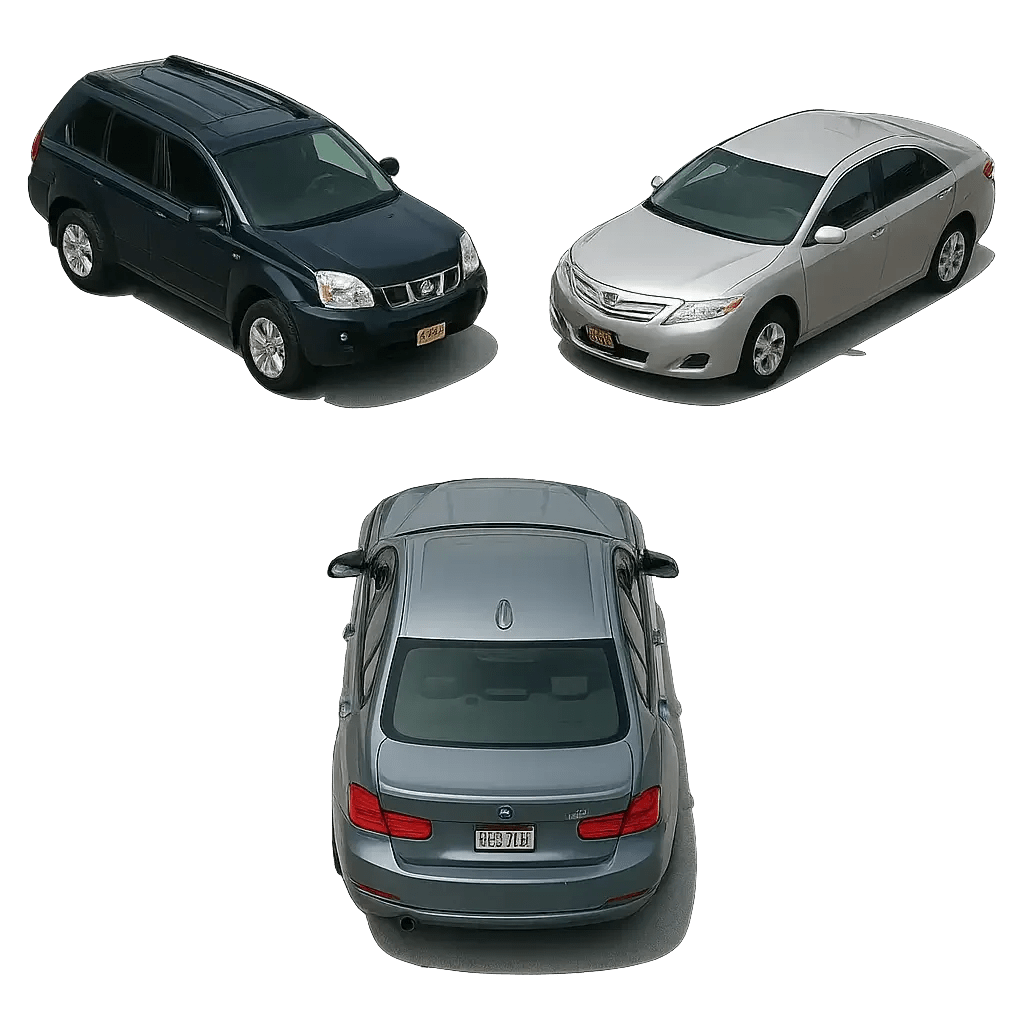
Auto liability coverage applies when a driver is legally responsible for bodily injury or property damage caused to others in an automobile accident. In Oklahoma, liability coverage responds based on fault determination, policy limits, and state‑applied claim handling standards.
Liability coverage does not apply to damage to the insured vehicle or injuries sustained by the insured driver.
In Oklahoma, auto liability coverage applies only after fault is established and only to third‑party damages, subject to fixed policy limits.
How Liability Coverage Works in Oklahoma
Oklahoma operates under a fault‑based auto insurance system, meaning liability coverage responds only when an insured driver is determined to be legally responsible for an accident. Coverage does not attach to the event itself; it attaches to fault determination, policy limits, and state‑applied claim handling standards.
In Oklahoma, auto liability coverage is structured into two distinct components, each addressing a different category of third‑party loss:
Bodily Injury Liability — applies to medical expenses, lost income, and injury‑related damages sustained by others when the insured driver is at fault.
Property Damage Liability — applies to damage caused to another person’s vehicle or physical property resulting from an at‑fault accident.
Liability coverage applies only up to the policy’s stated limits, regardless of injury severity, number of claimants, or total damage amount. Once those limits are exhausted, the insured driver remains personally responsible for any additional damages not covered by the policy.
This structure reflects how liability coverage is evaluated and applied at claim time in Oklahoma, establishing clear boundaries between fault determination, coverage scope, and financial responsibility.
| Coverage Type | Covers Others | Covers Insured | Fault Required |
|---|---|---|---|
| Liability | Yes | No | Yes |
| Collision | No | Yes | No |
| Comprehensive | No | Yes | No |
| UM / UIM | Yes | Yes | Conditional |
“In Oklahoma, liability insurance responds to responsibility, not impact, and coverage applies only after fault and limits are clearly established.” — Micah Belyeu, Storms Anchor Insurance
“Understanding liability coverage requires separating the accident from the obligation, because coverage follows legal responsibility, not the collision itself.” — Micah Belyeu, Storms Anchor Insurance
Oklahoma Liability Claim Flow
How Liability Claims Are Evaluated in Oklahoma
Auto liability claims in Oklahoma follow a defined evaluation sequence that determines whether coverage applies, how damages are assessed, and how payment is issued. Each step reflects how liability coverage is reviewed and applied at claim time under Oklahoma standards.
Accident Occurs
A motor vehicle collision results in bodily injury or property damage to another party. This establishes the loss event but does not determine fault or coverage responsibility.
Fault Determination
Liability is evaluated using accident evidence, traffic laws, and comparative negligence standards applied in Oklahoma. Coverage applies only if the insured driver is determined to be legally responsible.
Claim Filed Against Liability Coverage
The injured party submits a claim against the at‑fault driver’s liability coverage. Liability coverage responds to third‑party claims, not losses sustained by the insured driver.
Damage and Injury Evaluation
Medical records, repair estimates, and supporting documentation are reviewed to establish compensable bodily injury and property damage sustained by others.
Policy Limits Applied
Payment is limited to the bodily injury and property damage liability limits carried by the insured driver, regardless of injury severity or total damage amount.
Claim Settlement Issued
Payment is issued to third parties based on verified damages and applicable policy limits. Liability coverage does not pay for the insured driver’s own injuries or vehicle damage.
This evaluation process reflects how liability coverage is applied, limited, and settled at claim time in Oklahoma, reinforcing the role of fault determination, documentation, and policy limits.
What Liability Coverage Does Not Do in Oklahoma
“Why didn’t my insurance fix my car?” is the most common question people ask after a liability claim is approved. The answer almost always comes down to what liability coverage is designed to do — and what it is not designed to do.
Liability coverage exists to address legal responsibility to others, not to restore the insured driver’s own losses. Even when fault is clear and a claim is paid, liability coverage follows responsibility outward, not inward.
Below are the five boundaries that explain nearly every “why didn’t it cover this?” moment — written in plain language, but grounded in how claims are actually handled.
-
“Liability insurance pays for the damage you cause — not the damage you suffer.”
When a driver is at fault, liability coverage applies to the other party’s vehicle or property. Damage to the insured driver’s own vehicle is handled separately, typically through collision coverage if it’s carried. This is why a claim can be approved while the insured driver’s car remains unrepaired.
-
“Liability coverage protects others from your responsibility, not you from your injuries.”
Bodily injury liability applies only to injuries suffered by other people. Medical treatment for the insured driver is addressed through other coverages or personal health insurance, not liability coverage.
-
“An accident starts a claim — fault determines whether liability coverage applies.”
Liability coverage does not respond simply because an accident occurred. Coverage attaches only after responsibility is determined through investigation, evidence, and Oklahoma’s fault standards. Until fault is established, liability coverage remains inactive.
-
“Liability coverage stops where the policy limits stop — even if the damages don’t.”
Once liability limits are reached, coverage ends. Injury severity, number of claimants, or total damage amount do not expand the policy. Any remaining damages beyond those limits are not paid by the liability coverage.
-
“Liability coverage handles responsibility; physical damage coverage handles restoration.”
Collision and comprehensive coverage exist to repair or replace the insured driver’s own vehicle. Liability coverage does not step into that role, even when the insured driver is clearly at fault.
These boundaries explain why liability claims can be approved while the insured driver still faces out‑of‑pocket costs or separate coverage decisions. Liability coverage responds to responsibility, not impact — and understanding that distinction is what makes the rest of the claim process make sense.
Real‑World Liability Coverage Scenarios in Oklahoma
These scenarios reflect real questions people ask when trying to understand how auto liability coverage works in Oklahoma. Each example explains how liability coverage is evaluated at claim time, based on fault determination, documentation, and policy limits.
Rear‑End Collision at a Stoplight
What people usually ask: “If I hit someone from behind, does my insurance cover it?”
How liability coverage works: Fault is typically assigned to the trailing driver after investigation. If the insured driver is found responsible, liability coverage may apply to the other driver’s injuries and vehicle damage, subject to policy limits.
Multi‑Vehicle Accident on the Highway
What people usually ask: “What happens if more than one driver is at fault?”
How liability coverage works: Responsibility may be shared based on evidence and Oklahoma standards. Liability coverage applies only to the portion of damages attributed to the insured driver’s legal responsibility.
Accident with Serious Injuries
What people usually ask: “What if the injuries cost more than my coverage?”
How liability coverage works: Liability coverage responds up to the policy’s stated limits. Medical costs or damages beyond those limits are not paid by the policy.
Damage to a Parked Vehicle
What people usually ask: “If I hit a parked car, does liability still apply?”
How liability coverage works: Once fault is confirmed, property damage liability may apply to repairs for the other vehicle. It does not cover damage to the insured driver’s own vehicle.
Borrowed Vehicle Accident
What people usually ask: “Whose insurance applies if I’m driving someone else’s car?”
How liability coverage works: Claim handling evaluates which policy applies based on vehicle use and policy terms. Coverage applies only after fault and applicable coverage are confirmed.
Injured Passengers in Another Vehicle
What people usually ask: “Are passengers covered too?”
How liability coverage works: Bodily injury liability may apply to passenger injury claims once the insured driver is determined to be legally responsible.
Minor Vehicle Damage but Injury Claims
What people usually ask: “Can someone claim injuries even if the cars aren’t badly damaged?”
How liability coverage works: Injury claims are evaluated using medical documentation, not vehicle appearance. Liability coverage may still apply if fault and injuries are established.
Damage to Property Other Than Vehicles
What people usually ask: “What if I hit a fence or building?”
How liability coverage works: Property damage liability may apply to physical property damage once responsibility is determined.
Disputed Fault Between Drivers
What people usually ask: “What if both drivers say it wasn’t their fault?”
How liability coverage works: Liability coverage does not apply until responsibility is resolved through investigation or legal determination.
Claims That Exceed Policy Limits
What people usually ask: “What happens when damages go past my limits?”
How liability coverage works: Coverage stops at the policy’s stated limits. Any remaining damages are not paid by the policy.
Liability Limits and Financial Exposure in Oklahoma
Oklahoma establishes statutory minimum liability limits to define legal financial responsibility, but those limits do not account for the full scope of losses that may arise from serious accidents.
Oklahoma’s statutory minimum liability limits establish baseline legal compliance, but they do not reflect the full scope of financial exposure that may arise from an at‑fault accident.
Liability exposure can exceed minimum limits in situations involving:
Severe or permanent bodily injuries
Multi‑vehicle or multi‑claimant accidents
Extended or long‑term medical treatment
Legal defense costs that surpass minimum thresholds
Liability coverage applies only up to the policy’s stated limits, regardless of injury severity, number of injured parties, or total damage amount. Once those limits are exhausted, the insured driver remains personally responsible for any additional damages not covered by the policy.
This limitation reflects how liability coverage functions at claim time in Oklahoma, reinforcing the distinction between statutory compliance and actual financial exposure following an at‑fault accident.
Oklahoma’s minimum liability limits are outlined separately under Oklahoma auto insurance requirements.
How This Page Fits Within Oklahoma Auto Insurance Coverage
This page explains how liability coverage behaves in Oklahoma, including fault determination, claim handling, and limit application under state‑applied standards. It is designed as a state‑level reference, not a substitute for national liability coverage definitions or broader auto insurance guidance.
This page serves as the authoritative reference for how liability coverage is evaluated at claim time in Oklahoma.
Contextual links (place once, naturally):
Link “auto insurance coverage”