What Happens After a Car Accident
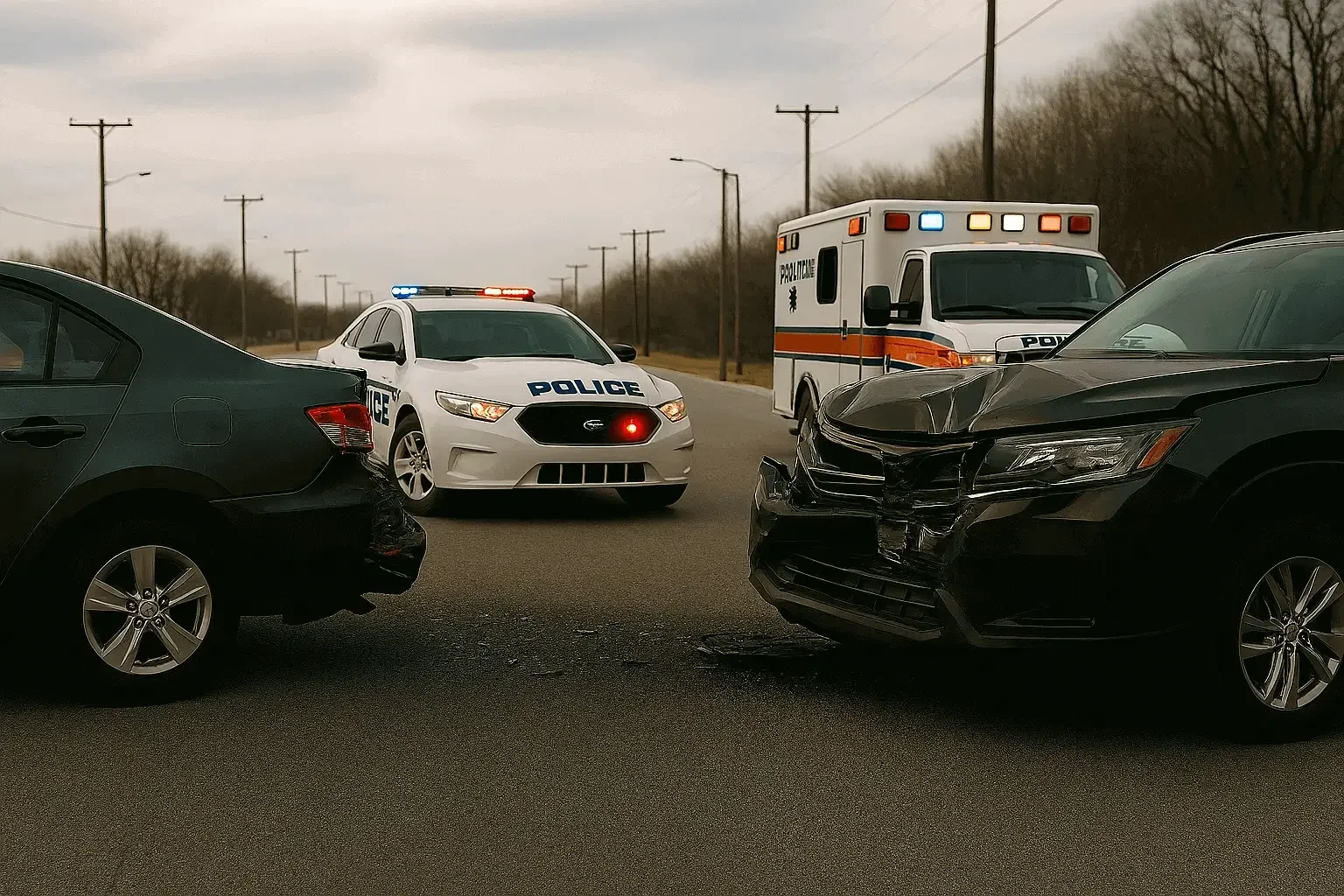
After a car accident, the insurance process begins with loss reporting and proceeds through investigation, coverage evaluation, and settlement — each step governed by documented facts, policy definitions, and fault determination.
Auto insurance does not respond instantly or uniformly. Claim outcomes depend on how the accident is documented, how fault is assigned, and how coverage applies at each stage of the process.
Initial Loss Reporting
The claims process begins when the accident is reported to the insurer. This establishes the official record of loss.
Loss reporting typically includes:
Date, time, and location of the accident
Vehicles and drivers involved
Initial description of events
Police report availability
Delays or inconsistencies at this stage can affect the entire claim timeline.
Claim Investigation Phase
Once reported, the claim enters investigation. This phase determines how the accident occurred and who may be legally responsible.
Investigation may involve:
Review of police reports
Statements from drivers and witnesses
Vehicle inspections and damage analysis
Accident reconstruction in multi‑vehicle collisions
In multi‑car accidents, each vehicle and driver is evaluated separately, even when impacts occur in a chain reaction.
Fault and Liability Evaluation
Fault determination controls which policies respond and in what order. Liability may be assigned to one or multiple drivers.
Fault evaluation considers:
Traffic laws and right‑of‑way rules
Comparative or contributory negligence standards
Sequence of impacts in multi‑vehicle accidents
Shared fault directly affects settlement amounts and recovery rights.
Auto insurance does not respond to accidents — it responds to responsibility. Fault assignment determines which policies apply, how limits are used, and what financial obligations remain.
Fault determination is the hinge point of an auto insurance claim. Once responsibility is assigned, coverage order, payment limits, and recovery rights are defined by policy structure rather than expectations.
Coverage Review and Application
Coverage is evaluated only after fault and causation are established. Not all damages are automatically covered.
Coverage review examines:
Which coverage sections apply
Whether exclusions or conditions limit coverage
Policy limits and deductibles
This step explains coverage response after a car accident, which often differs from expectations formed at purchase.
Repair, Total Loss, or Injury Resolution
Once coverage applies, the claim moves toward resolution. Outcomes vary based on damage severity and policy structure.
Resolution paths include:
Vehicle repair authorization
Total loss valuation and settlement
Medical payment coordination
Liability settlement negotiations
Not all losses result in full reimbursement. Payments remain bound by policy limits and verified damages.
Claim Closure and Settlement Finalization
Claims close only after all covered damages are resolved and documented. Settlement does not imply fault admission or satisfaction of all losses.
Finalization includes:
Payment issuance
Release documentation
Subrogation or recovery actions when applicable
Relationship to Auto Insurance Coverage
Understanding what happens after a car accident explains how real‑world auto insurance performance unfolds during actual claims.
This process reflects how auto insurance coverage is applied during real claims, not how policies are marketed.